U.S. Immigration 1800-2016
Crossing the Atlantic meant two to three months of seasickness, overcrowding, limited food rations, and disease. But the lure of available land and the hope for political and religious freedoms kept the Europeans coming.
1800
1800
In the early years of the republic, immigration was light - 6000 people a year on average, including French refugees from the revolt in Haiti. By 1806, the flow of immigration was reduced to a trickle as hostilities between England and Napoleon's France disrupted Atlantic shipping lanes. The War of 1812 between the United States and Britain slowed immigration even further.

1850
1850
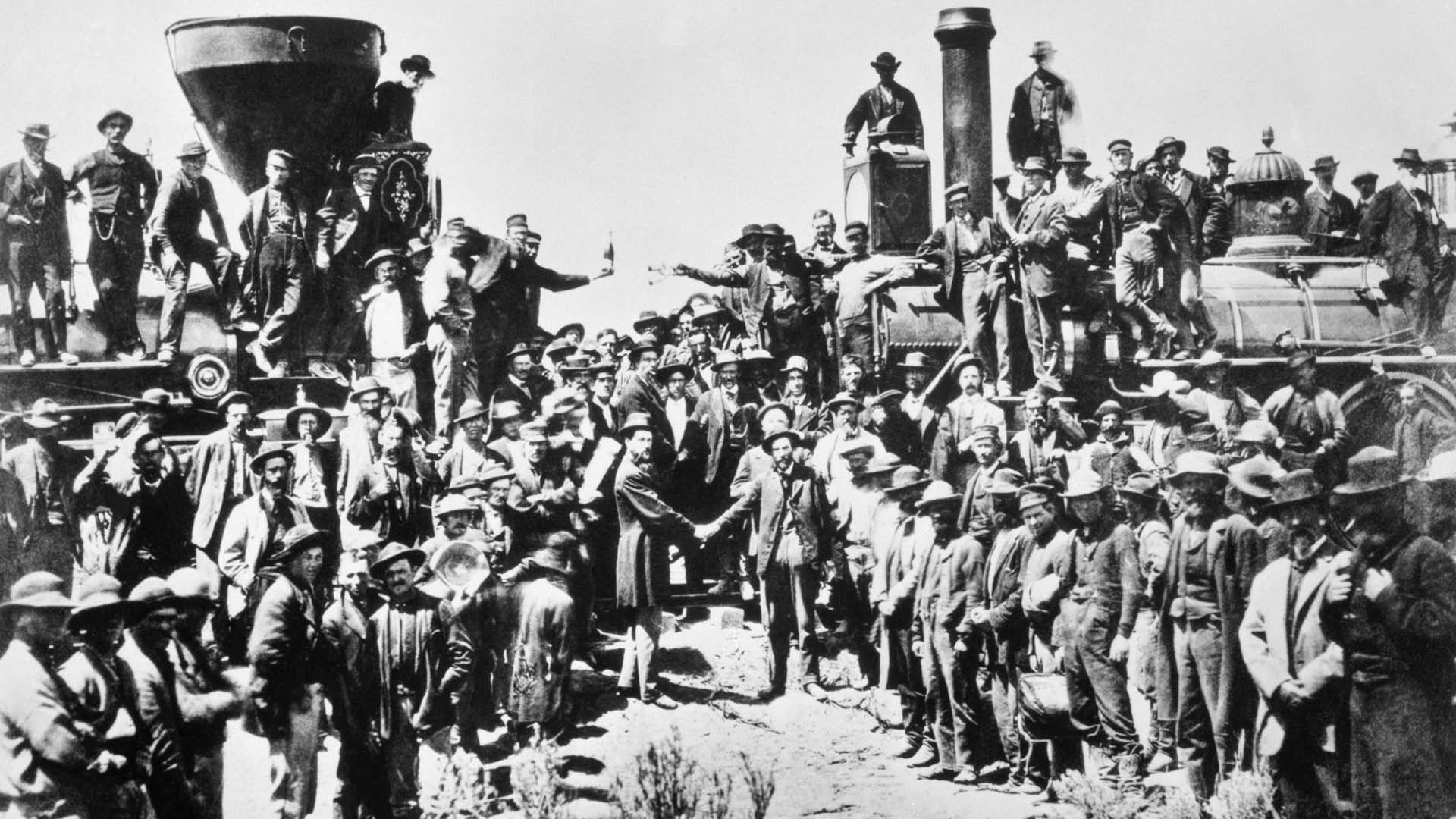
The Industrial Revolution had begun, the slave trade was nearing its end, and America was pushing westward. Thousands of immigrants found work on the trans-continental railroad, settling in towns along the way.
1900

1900
Between 1880 and 1930, over 27 million people entered the United States - about 12 million through Ellis Island. But after the outbreak of World War I in 1914, American attitudes toward immigration began to shift. Nationalism and suspicion of foreigners were on the rise, and immigrants' loyalties were often called into question.
1950

1950
The Great Depression had begun, leaving few with the means or incentive to come to the United States. Many recent immigrants returned to their native lands. In the late 1930's, with World War II accelerating in Europe, a new kind of immigrant began to challenge the quota system and the American conscience.
2000

2000
In 2000 almost 29 million immigrants lived in the United States. One in every ten people living in the U.S. is an immigrant, and this number is rising every day. Efforts to combat illegal immigration, especially on the U.S. Mexican border cost taxpayers billions of dollars each year.
2016
2016
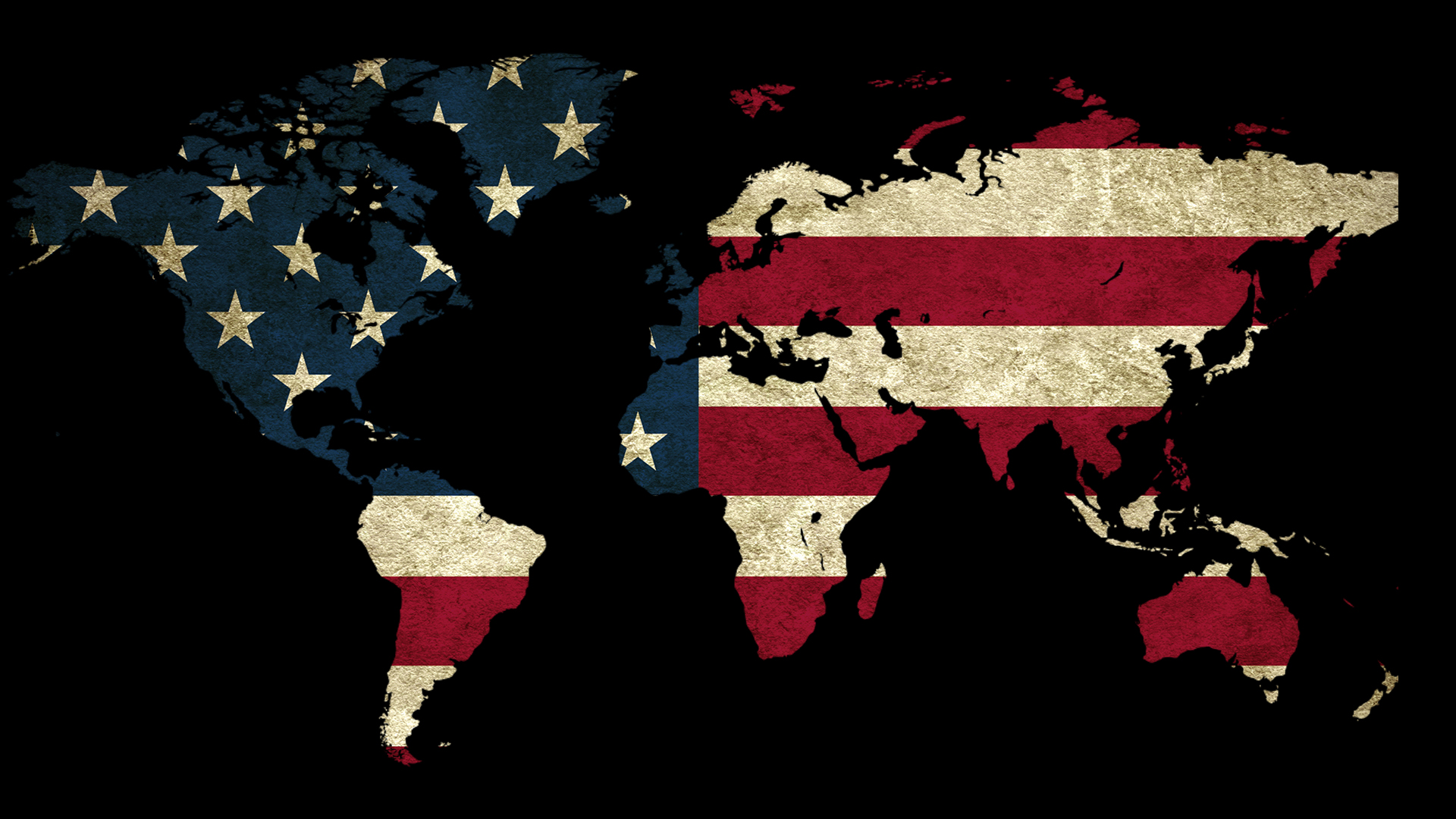
Today the issue of immigration reform is an issue of debate in the coming election. Immigration reform is a broad way to deter illegal immigration while maintaining legal immigration. Immigrants have helped shape our nation and will continue to do so.